
Food is a universal language. Everyone understands and appreciates a good meal. Travel around the world in the pages of these books and find new cuisines to try. Curated by Jessica Schiefelbein.
Looking for digital? Check for eBooks and eAudiobooks here.
cloudLibrary | Libby | Freading
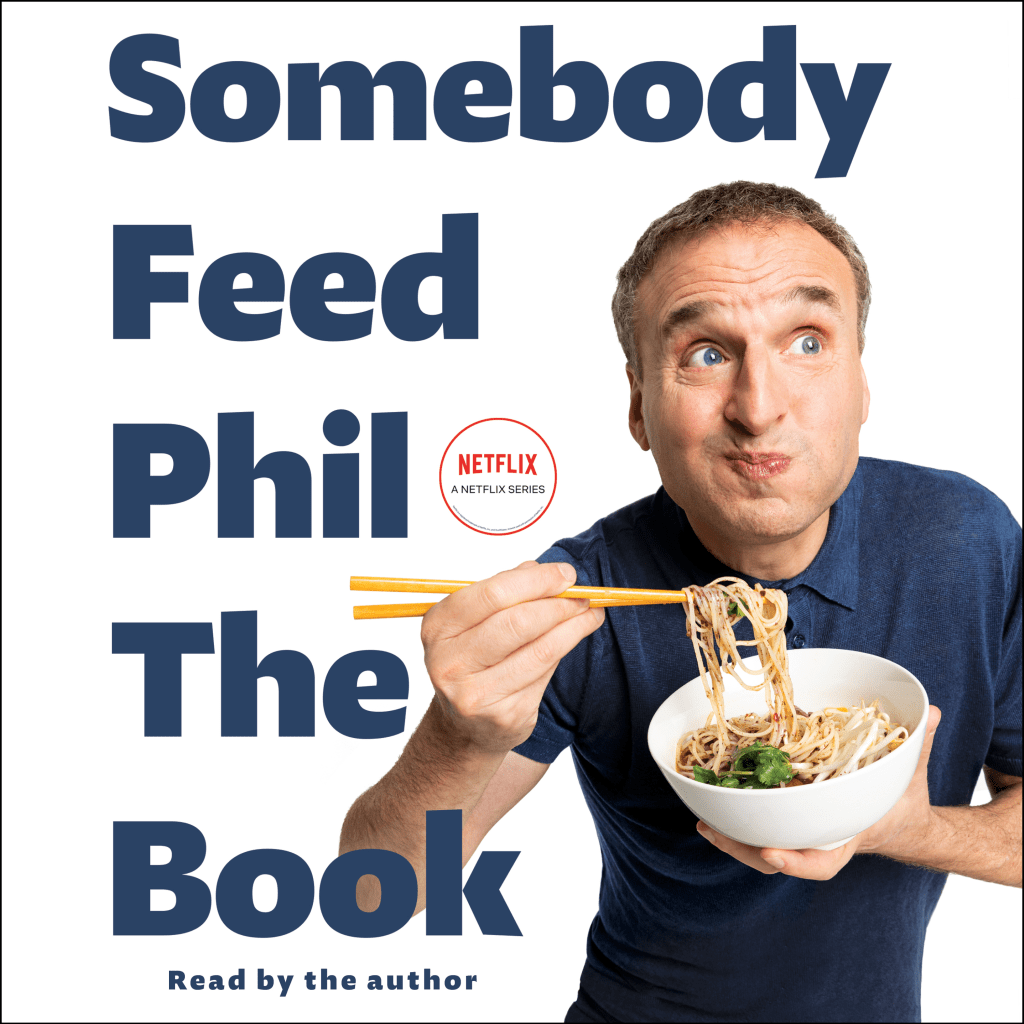
Somebody Feed Phil the book by Phil Rosenthal
The ultimate collection of must-have recipes, stories, and behind-the-scenes photos from the beloved Netflix show Somebody Feed Phil.
Phil Rosenthal, host of the beloved Netflix series Somebody Feed Phil, really loves food and learning about global cultures, and he makes sure to bring that passion to every episode of the show. Whether he’s traveling stateside to foodie-favorite cities such as San Francisco or New Orleans or around the world to locations like Saigon, Tel Aviv, Rio de Janeiro, Mexico City, or Marrakesh, Rosenthal includes a healthy dose of humor to every episode–and now to this book.
In Somebody Feed Phil the Book, Rosenthal presents never-before-heard stories from every episode of the first four seasons of the series, along with more than sixty of viewers’ most requested recipes from acclaimed international chefs and local legends alike (including Rosenthal’s favorite sandwich finds from San Francisco to Tel Aviv), so you can replicate many of the dishes from the show right at home. There are also “scripts” from some of Rosenthal’s video phone calls from the road with his family making this the ultimate companion guide for avid fans of the show as well as armchair travelers and adventurous at-home chefs.
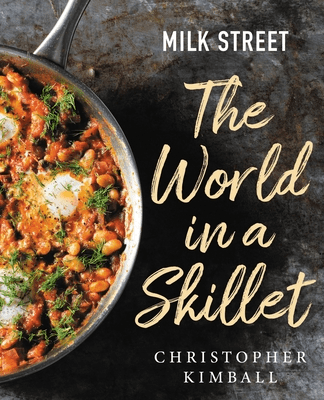
Milk Street: The World in a Skillet by Christopher Kimball
125 easy one-pot meals that reveal the world of flavorful possibilities inside a simple skillet–America’s most common cooking tool–from the James Beard Award-winning team at Milk Street.
From a wok to a clay pot, every cuisine has a ubiquitous pot or pan that can cook just about anything. In the United States, the most common pan is a simple 12-inch skillet. Here you’ll find 125 recipes that will transform and expand the way you use this versatile piece of cookware.
To liberate the skillet from commonplace fare, we share what we’ve learned from our travels and from cooks in more than 35 countries. We drew inspiration from the East African islands of Mauritius and Réunion for Shrimp Rougaille, based on a Creole tomato sauce that reflects European and Indian influences. And in India, a wok-like vessel called a kadai or karahi is common. We use a skillet instead to make Chicken Curry with Tomatoes and Bell Peppers.
The skillet also is a good choice for the stir-fried Sichuan classic Spicy Glass Noodles with Ground Pork, fragrant Vietnamese-Style Lemon Grass Tofu, and Mexican-Style Cauliflower Rice. You can even use it to make Three-Cheese Pasta, Skillet-Roasted Peruvian-style Chicken, and Pizza with Fennel Salami and Red Onion.
To make it easy to find the recipe you need, we organized chapters by cooking times (an hour or less, 45 minutes, and under 30 minutes) as well as sections for side dishes, pastas, grains, stir-fries, pan roasts, and skillet-griddled sandwiches. And because the cooking is limited to one pan, the techniques are straightforward and the clean-up is easy.
Great cooking is rarely about which pan you put on your stove. It’s about what you put inside it. Push those limits, and find a new world in your kitchen.
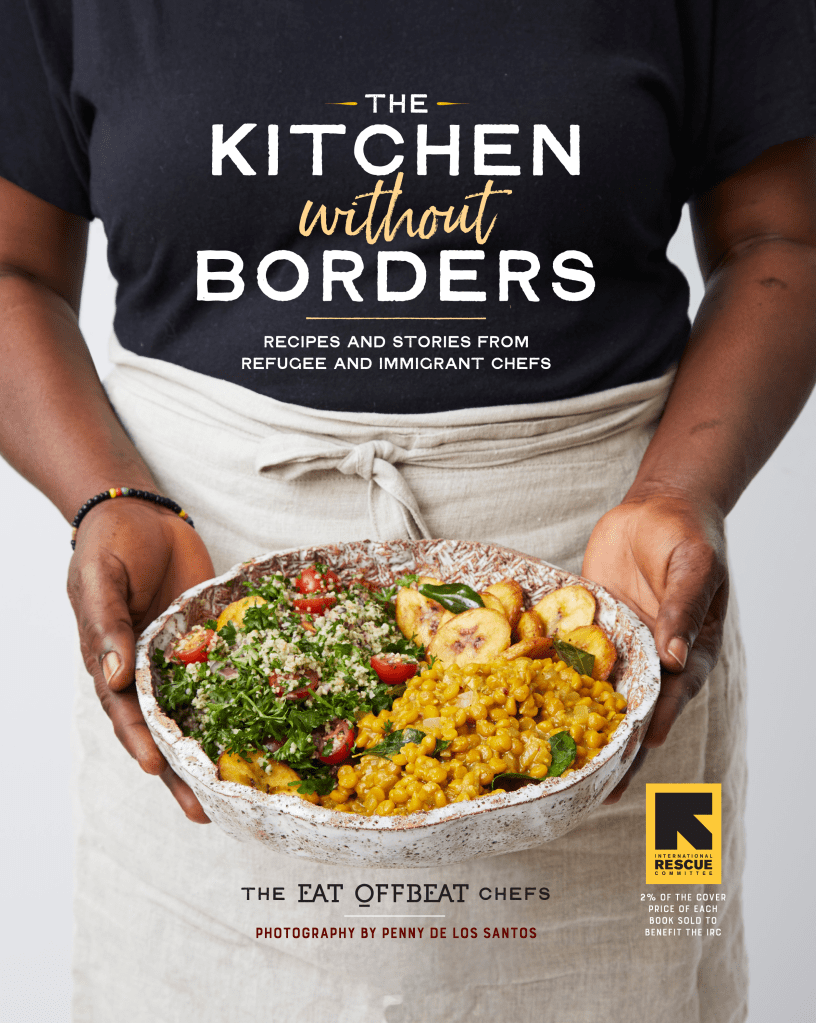
The Kitchen Without Borders by Eat Offbeat
Refugees by status, chefs by calling.
The Kitchen Without Borders is a special kind of cookbook. In it, chefs from around the world – all part of Eat Offbeat, a catering company staffed by immigrants and refugees who have found a new home and new hope through cooking- offer up to 70 authentic, surprising, nourishing recipes. The food has roots that run as deep as its flavors, celebrating the culinary traditions of Syria, Iran, Eritrea, Venezuela, and more. Discover Iraqi Biryani, a rice dish combining vegetables and plump dried fruits with warming spices. Chari Bari, hand formed meatballs simmered in Nepali- spiced tomato and cashew sauce. Iranian rice with garbanzos, Sri Lankan curry dhal, and Manchurian cauliflower straight from the Himalayas. More than a collection of delicious foods from around the world, this inspiring cookbook- with its intimate chef profiles and photographic portraits-offers a glimpse into the journey of displaced people and highlights the profound link between food and home.
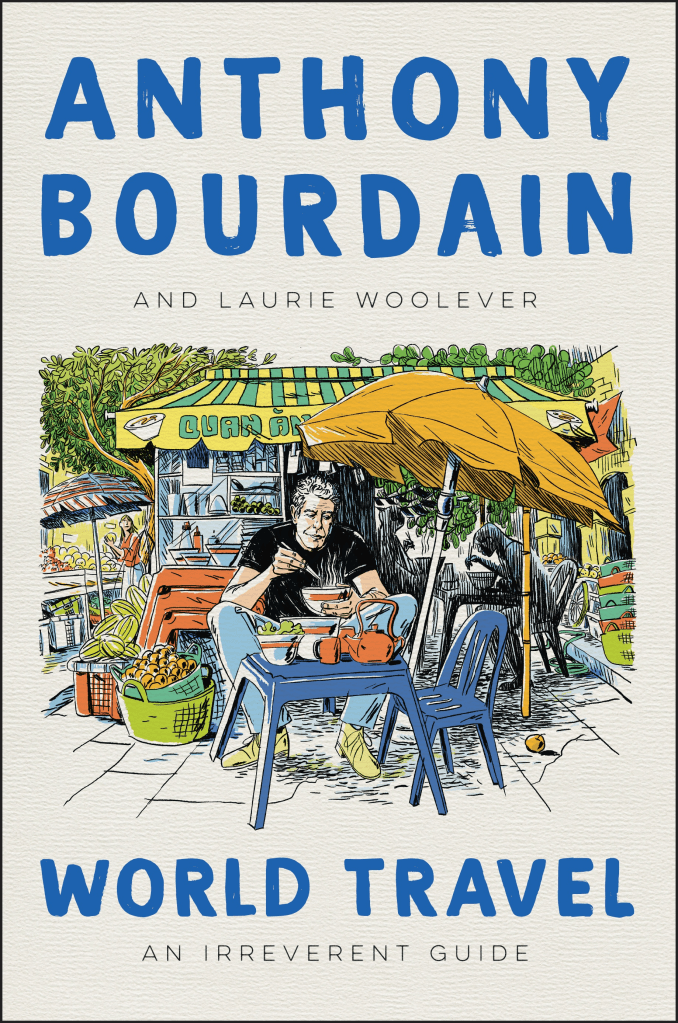
World Travel by Anthony Bourdain
A guide to some of the world’s most fascinating places, as seen and experienced by writer, television host, and relentlessly curious traveler Anthony Bourdain
Anthony Bourdain saw more of the world than nearly anyone. His travels took him from the hidden pockets of his hometown of New York to a tribal longhouse in Borneo, from cosmopolitan Buenos Aires, Paris, and Shanghai to Tanzania’s utter beauty and the stunning desert solitude of Oman’s Empty Quarter–and many places beyond.
In World Travel, a life of experience is collected into an entertaining, practical, fun and frank travel guide that gives readers an introduction to some of his favorite places–in his own words. Featuring essential advice on how to get there, what to eat, where to stay and, in some cases, what to avoid, World Travel provides essential context that will help readers further appreciate the reasons why Bourdain found a place enchanting and memorable.
Supplementing Bourdain’s words are a handful of essays by friends, colleagues, and family that tell even deeper stories about a place, including sardonic accounts of traveling with Bourdain by his brother, Christopher; a guide to Chicago’s best cheap eats by legendary music producer Steve Albini, and more. Additionally, each chapter includes illustrations by Wesley Allsbrook.
For veteran travelers, armchair enthusiasts, and those in between, World Travel offers a chance to experience the world like Anthony Bourdain.
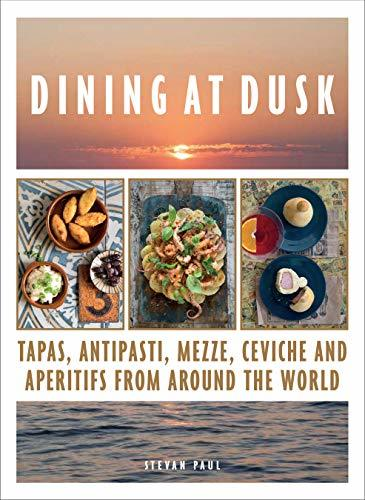
At dusk, as afternoon relaxes into evening and the sun sinks towards the horizon, there is a magic moment. The work day is finally done, and it’s time for food and drinks with friends. Dining at Dusk follows the golden hour around the globe – from Samoa, where the sun sets first, through Australia, Japan, India, Europe, Morocco and Brazil, to the USA and Mexico – celebrating the evening with Italian cicchetti, Spanish tapas, Greek mezzes, with tacos, yakitori, ceviche and more. Simple-to-prepare recipes with roots in local culinary and cultural traditions, each paired with the ideal drink and a thoughtfully curated playlist – this is the perfect cookbook for elegant, laid-back gatherings with friends.
Dining at Dusk showcases a range of contemporary cuisine from around the world for this beautiful time of the day: relaxed, simple, comforting inspiration for food that is the ideal accompaniment to a modern lifestyle.
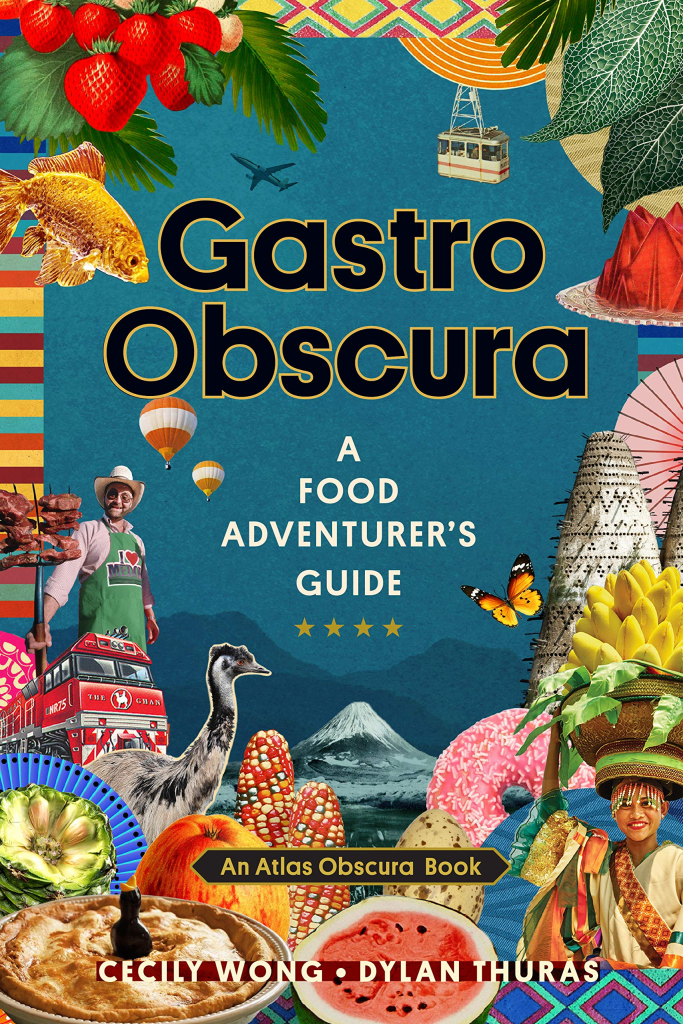
Created by the ever-curious minds behind Atlas Obscura, this breathtaking guide transforms our sense of what people around the world eat and drink.
Covering all seven continents, Gastro Obscura serves up a loaded plate of incredible ingredients, food adventures, and edible wonders. Ready for a beer made from fog in Chile? Sardinia’s “Threads of God” pasta? Egypt’s 2000-year-old egg ovens?
But far more than a menu of curious minds delicacies and unexpected dishes, Gastro Obscura reveals food’s central place in our lives as well as our bellies, touching on history-trace the network of ancient Roman fish sauce factories. Culture-picture four million women gathering to make rice pudding. Travel-scale China’s sacred Mount Hua to reach a tea house. Festivals-feed wild macaques pyramid of fruit at Thailand’s Monkey Buffet Festival. And hidden gems that might be right around the corner, like the vending machine in Texas dispensing full sized pecan pies. Dig in and feed your sense of wonder.
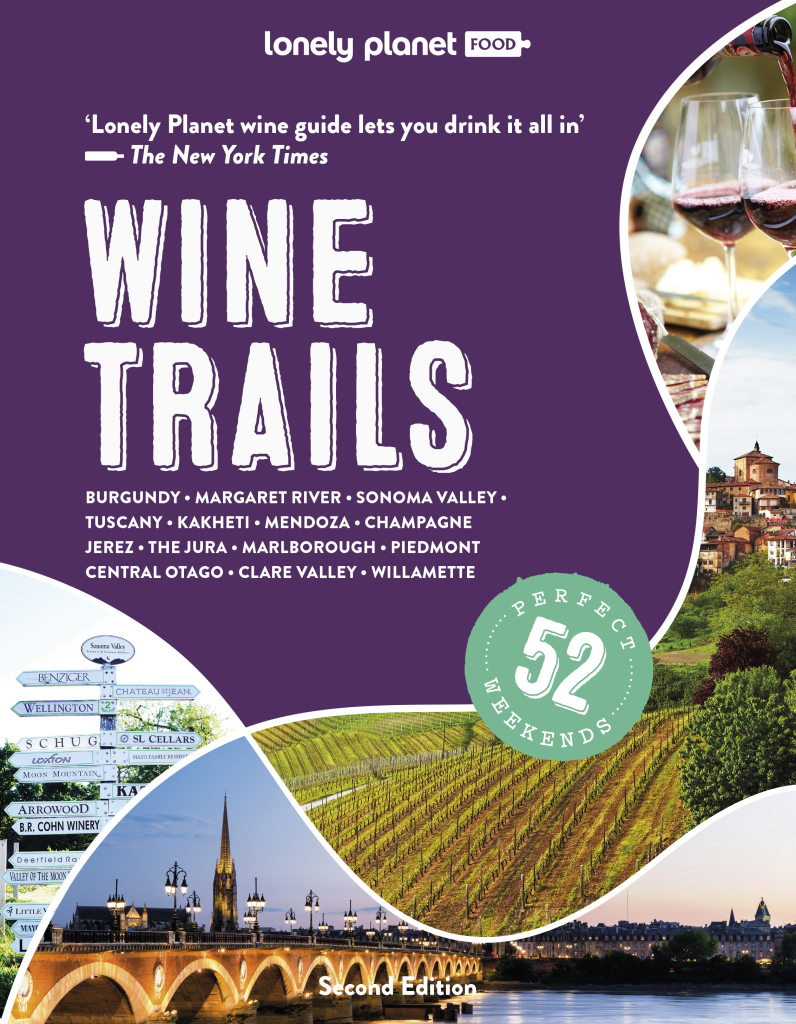
The second edition of Lonely Planet’s Wine Trails features 52 weekend-long guided itineraries through the world’s most exciting wine regions.
This successful series is perfect for travel enthusiasts with a passion for wine. Discover the most interesting wineries and the best places to stay and where to eat in wine regions near major cities.
Winemakers offer personal insights into what wines to taste and why they’re special, and help you understand a place, its people and their traditions through the wine that’s made there. Itineraries are accompanied by gorgeous photos, maps and in-the-know authors.
This new edition features well-known wine regions such as Rioja, Burgundy, Margaret River and Sonoma combined with up-and-coming and offbeat regions such Priorat near Barcelona and Tamar Valley in Tasmania.
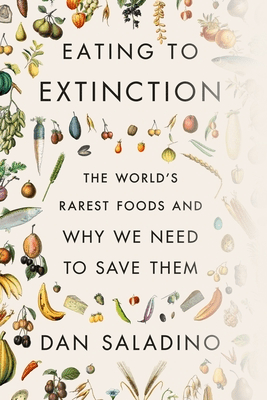
Eating to Extinction by Dan Saladino
Dan Saladino’s Eating to Extinction is the prominent broadcaster’s pathbreaking tour of the world’s vanishing foods and his argument for why they matter now more than ever
Over the past several decades, globalization has homogenized what we eat, and done so ruthlessly. The numbers are stark: Of the roughly six thousand different plants once consumed by human beings, only nine remain major staples today. Just three of these–rice, wheat, and corn–now provide fifty percent of all our calories. Dig deeper and the trends are more worrisome still:
The source of much of the world’s food–seeds–is mostly in the control of just four corporations. Ninety-five percent of milk consumed in the United States comes from a single breed of cow. Half of all the world’s cheese is made with bacteria or enzymes made by one company. And one in four beers drunk around the world is the product of one brewer.
If it strikes you that everything is starting to taste the same wherever you are in the world, you’re by no means alone. This matters: when we lose diversity and foods become endangered, we not only risk the loss of traditional foodways, but also of flavors, smells, and textures that may never be experienced again. And the consolidation of our food has other steep costs, including a lack of resilience in the face of climate change, pests, and parasites. Our food monoculture is a threat to our health–and to the planet.
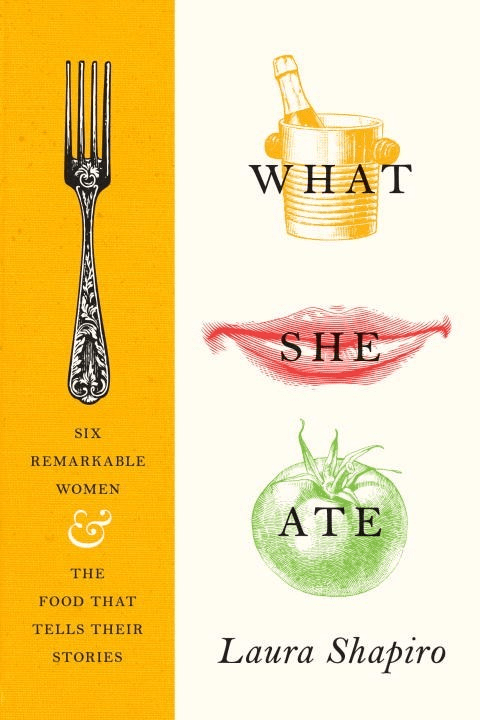
A culinary historian’s short takes on six famous women through the lens of food and cooking—what they ate and how their attitudes toward food offer surprising new insights into their lives.
It’s a lively and unpredictable array of women; what they have in common with one another (and us) is a powerful relationship with food. They include Dorothy Wordsworth, whose food story transforms our picture of the life she shared with her famous poet brother; Rosa Lewis, the Edwardian-era Cockney caterer who cooked her way up the social ladder; Eleanor Roosevelt, First Lady and rigorous protector of the worst cook in White House history; Eva Braun, Hitler’s mistress, who challenges our warm associations of food, family, and table; Barbara Pym, whose witty books upend a host of stereotypes about postwar British cuisine; and Helen Gurley Brown, the editor of Cosmopolitan, whose commitment to “having it all” meant having almost nothing on the plate except a supersized portion of diet gelatin.
 Shelf Analysis